

Salam, Shalom Bonjour, Hi.
An immigrant tribute to culturally inclusive dialogue.
The concept of peace in a multicultural society like Canada must be expansive, inclusive, and dynamic. Peace here is not just the absence of conflict; it is a condition of interconnected flourishing, grounded in ethical principles of justice, empathy, and ecological harmony.
Peace as
an attitude,
Concept
in between.
Trust,
will, and
Practice of
Betterment.
Peace is
A must!!
Drawing from Eastern philosophy (e.g., Taoism, Buddhism) and Kyoto School philosophy, peace is conceived as an unfolding, holistic process of interconnectedness. It’s not a static state but a dynamic equilibrium that requires constant nurturing. Just as water flows through diverse ecosystems, peace must be fluid, embracing differences without diluting them. Canada’s multiculturalism represents a patchwork of rivers that flow into the sea of national identity; each river retains its distinctiveness, but all contribute to the health of the whole.
Influenced by virtue ethics (Aristotle, Confucius) and pragmatism (William James, John Dewey), peace is an ethical practice that encourages individuals and communities to live virtuously while adapting to the needs of society. Practical wisdom (phronesis) guides us to make decisions that benefit the collective, balancing individual freedoms with collective responsibilities. Thus, peace is a lived ethic, not just an abstract idea.
Canada’s multiculturalism is foundational to the identity of a nation, and its approach to peace must stem from the principles of inclusion, empathy, and cultural integration. Multiculturalism is not merely about coexistence but about active engagement with diversity, where differences are celebrated rather than marginalized.


The psychology of belonging and identity is central to Canadian multiculturalism. In Canada, the traditional conception of national identity is replaced by a dynamic, evolving selfhood. Drawing on Erik Erikson’s theory of psychosocial development, individuals must balance their roots in cultural heritage with the process of social integration into a broader Canadian identity. The nation encourages pluralistic narratives, where each group can express their cultural uniqueness while finding common ground on universal human values, such as peace, justice, and ecological responsibility.
Gordon Allport’s intergroup contact theory posits that intergroup interactions can reduce prejudice and promote tolerance. In a post-modern, multicultural society like Canada, these interactions are encouraged at all levels, through public policy, education, and community initiatives. Peace is nurtured when people from different backgrounds engage in authentic, meaningful dialogue that challenges stereotypes and promotes mutual understanding. Intercultural education and community-building initiatives play a key role in shaping the mindset of Canadians, promoting empathy and bridging divides.
Peace in Canada must also account for the psychological flexibility to adapt and coexist with differences. This is influenced by cognitive-behavioral psychology, where flexible thinking helps individuals navigate cultural differences without defensiveness or rigidity. This psychological tool enables individuals to embrace discomfort, the discomfort of confronting one’s biases, the discomfort of challenging the status quo, and the discomfort of engaging in difficult conversations.
The political philosophy of peace in a nation like Canada must reflect its commitment to equity, justice, and the recognition of diverse cultural narratives. In this sense, peace is seen as a policy process, a social contract that ensures all citizens, regardless of their background, are given the opportunity to thrive while respecting others’ rights to self-expression.
Canada’s political system already reflects principles of representative democracy, where diverse voices can be heard. In a post-modern vision of peace, this democracy must expand to ensure inclusive decision-making, where marginalized voices, such as Indigenous communities, racial minorities, and new immigrants, are actively involved in policy formulation and governance. This is a dialogic democracy, inspired by thinkers like Jürgen Habermas, where public discourse is central to creating a just, peaceful society.
The concept of peace must also be rooted in restorative justice rather than retributive justice. Canada’s historical treatment of Indigenous peoples is a significant example. In a post-modern peace culture, justice is not about punishment but about reparation and healing. Inspired by Martha Nussbaum's capabilities approach, restorative justice focuses on restoring the capabilities of individuals and communities to participate fully in societal life, with an emphasis on emotional, psychological, and cultural healing.
A culture of peace cannot ignore the ecological dimension of peace. Ecological sustainability is integral to long-term peace, as it ensures that future generations inherit a livable planet. Peace also extends to economic justice, ensuring that resources are equitably distributed and that all communities, especially the most vulnerable, are given the means to thrive in harmony with the environment. Policies that promote green energy, social enterprise, and climate justice are essential to creating a truly sustainable peace.

Canada’s national heroes, such as Pierre Trudeau, Terry Fox, Tommy Douglas, and Lester B. Pearson, have shaped the Canadian identity and its commitment to peace and inclusion. Their legacies must inform the culture of peace by promoting the following values:
Trudeau’s vision of a just society and Pearson’s role in peacekeeping set a foundation for a nation that recognizes the importance of protecting human dignity and equality. These values must continue to inspire Canada’s commitment to peace through international diplomacy, refugee protection, and humanitarian intervention.
The political contributions of Tommy Douglas and his push for universal healthcare provide a reminder of the importance of equity and cultural self-determination within the Canadian context. The legacy of social programs that guarantee equal access to resources and services can act as a model for peace, ensuring that all cultural groups are equally valued.
Terry Fox’s journey embodies hope and resilience, teaching Canadians to persevere in the face of adversity. His example can symbolize the spirit of unity and shared purpose that underpins Canadian multiculturalism. Peace, therefore, is not simply the absence of war or violence, but the collective striving towards a common good despite the challenges posed by our differences.


John Diefenbaker’s legacy stands as a testimony to how conservatism can evolve to meet the needs of a multicultural and diverse society. His political philosophy was rooted in the belief that true peace is not achieved by homogenizing society but by celebrating its differences, while ensuring that justice, freedom, and participation remain the guiding principles. Peace, for Diefenbaker, was an ethical commitment to human rights, individual dignity, and inclusive governance, a philosophy that continues to shape Canada's role as a leader in promoting both domestic and global peace.
In this context, Diefenbaker offers a model of peace where conservative values of liberty and responsibility can coexist harmoniously with progressive values of justice and multiculturalism, creating a peaceful, pluralistic society where every Canadian is respected and every culture is celebrated.
The culture of peace in Canada must embody:
-
Intercultural understanding: Engaging with and learning from diverse cultural narratives.
-
Environmental responsibility: Understanding that peace is also ecological, ensuring the sustainability of resources for future generations.
-
Restorative justice: A commitment to healing, reparation, and the restoration of rights to historically marginalized groups.
-
Collective identity: A national identity that celebrates diversity and finds strength in difference, while also fostering a shared commitment to ethical principles of equity and justice.
-
Empathy and psychological growth: Emphasizing the psychological capacity to engage with the "other" through compassion, not fear or defensiveness.
-
A living peace: Peace as an ongoing process of adaptation, negotiation, and commitment to the common good, constantly evolving in response to the needs and challenges of a diverse, ever-changing society.
In this nation, peace is not a utopian ideal, but a pragmatic, evolving process driven by continuous reflection, dialogue, and collaboration across all levels of society. It is a commitment to both global harmony and local justice, where all cultural identities are not only accepted but celebrated as part of the fabric of a thriving, just, and peaceful Canada.


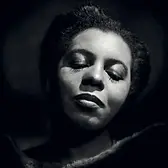


A manifestation as Catharsis to heal against the status quo, born in Ottawa, and now embodied a solidarity and a reason to raise funds and awareness toward different causes.
-
Multiculturalism and Diversity: Officially adopted as a policy, multiculturalism encourages Canadians to celebrate their diverse ethnic and cultural backgrounds, promoting a belief that diversity strengthens the country.
-
Equality: The principle that every individual is equal before and under the law, with the right to equal protection and benefit of the law without discrimination based on race, national or ethnic origin, colour, religion, sex, age, or mental or physical disability.
-
Social Responsibility: Often demonstrated through a commitment to a universal healthcare system, social safety nets, and a general belief in looking out for one's community.
-
Peace and Stability: A historical and ongoing emphasis on peace, both domestically and in foreign policy, often through peacekeeping roles.
Inner Manifestation embodied a collective responsibility and Canadian values:
In the context of society, the white flag takes on a more abstract and evolving meaning. It no longer stands only for an end to hostilities but for an open invitation to dialogue and transformation. It is unwritten in the sense that it is not bound by rigid definitions, but instead, its interpretation grows with the needs of the time, reflecting the evolving causes that demand attention from the global community.
The white flag can represent the fight for racial equality, gender rights, and the recognition of marginalized communities. It asks for peace, but it also demands justice, in the sense that peace cannot exist without addressing the systemic inequalities that divide people and communities. It symbolizes the willingness to engage in conversations about discrimination, oppression, and the dismantling of barriers that perpetuate violence and inequality.
The white flag is a powerful symbol of unity in diversity. In the face of religious and cultural conflicts, it calls for a shared humanity that transcends differences in faith, belief, and culture. The flag represents an opening to dialogue among diverse religious communities and nations, with the aim of finding common ground amidst conflicting worldviews. It encourages the building of a global culture of peace, based on the recognition that understanding each other's beliefs and values is a critical step toward cooperation.
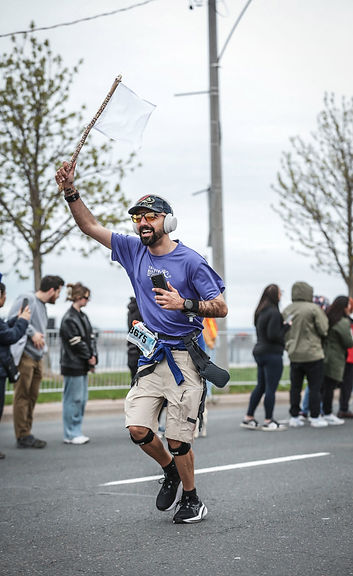
Central to the white flag's message is the importance of dialogue in conflict resolution. Peace is not simply about cessation of violence but about creating an environment where differences are respected, concerns are voiced, and solutions are collaboratively crafted. The white flag thus stands for the willingness to listen, to seek mutual understanding, and to make collective decisions that promote long-term stability and well-being for all.
As we move forward, the white flag will continue to evolve alongside new global concerns. It remains a symbol of our collective willingness to listen, understand, and collaborate, to rise above the challenges that divide us and build a more inclusive, just, and sustainable world. Its simplicity makes it a beacon of hope, a reminder that peace is not a destination but a journey, and that we must continue to adapt and grow as a global community.

Imagine a symbolic figure of global peace, carrying the white flag named "NOBODYBUTEVERYONE" during his next marathon. This flag, emblazoned with the words of dialogue and multicultural peace, represents a deep commitment to human unity, not defined by borders or conflicts, but by the shared belief that peace is possible through collective action.
As he runs through the streets, this Canadian peacekeeping flag waves gently in the wind, embodying the spirit of Canada's peacekeeping tradition, not just as an entity for conflict resolution, but as a symbol of humanitarian efforts on a global scale. With every stride, it carries the weight of diverse causes, from human rights to environmental sustainability, from interfaith dialogue to the ongoing fight for equality, all stitched into the fabric of the flag.
The flag itself is simple yet profound: white, representing neutrality, peace, and surrender to the greater good. It is not a symbol of defeat, but of openness and cooperation. Just as Canada’s peacekeeping force has long stood for the protection of vulnerable communities, Amir’s NOBODYBUTEVERYONE flag stands as an unwritten promise to all, regardless of nationality, race, or creed, that peace is a shared responsibility, a commitment to the next generation.
Amir Noferesti, a global change-maker, is not just an individual runner; he becomes a living teacher of global stewardship, carrying the flag as he participates in the marathon of peace. As a marathon runner, he symbolizes the endurance required for lasting peace, showing that peace is not won in a moment but through sustained, collective effort. The marathon is not just a race against time, but a race toward understanding, empathy, and collaboration across all cultures.
As Amir dreams of wearing the Canadian peacekeeping uniform, he metaphorically carries the legacy of Canada's peacekeeping forces, a neutral force that doesn’t impose solutions but facilitates dialogue. His journey serves as a poignant reminder of the enduring work of peacekeepers worldwide, who strive to mediate conflicts, promote justice, and create environments where people can rebuild their lives in peace.


Aug 9, 2025
A tribute to Canadian Peacekeepers on National Peacekeepers' Day, toward my next Marathon.
With every step I take, I carry "NOBODYBUTEVERYONE" not just as a flag, but as a collective vision.
The flag flutters, reminding all who see it that peace is not just the responsibility of a few but the collective work of everyone, no matter where we are from or what challenges we face.

3rd Marathon
for the Cause.
As I run, the flag I carry flutters with my movement. It’s a constant reminder that peace isn't the responsibility of a select few but the collective work of all of us, no matter where we are from or what challenges we face. For me, this journey symbolizes a deep, cross-cultural understanding, something I have tried to champion through my work with multinational organizations and social causes. This marathon has never been just a physical race; it is the embodiment of the long-term commitment needed to overcome the divisions that separate us. It is my journey toward a shared vision of peace, where dialogue and mutual respect can finally replace hatred and division.
This path has been a long one, a journey between different flags to find my own place in this world. I am a man who has searched through different cultures, different symbols, and different philosophies, all to craft my own cozy corner in which to live. The journey brought me from the "Dream of Vancouver" to the reality of Vancouver, from Iran to Canada, all while the world itself tottered on the edge of uncertainty.
Just as Canada’s peacekeepers have long been symbols of non-partisan support for global peace, my act of carrying a flag represents my own commitment to expand Inner peace found in Ottawa, to be a force for that same peace, bridging cultures, countries, and causes. This marathon is a symbol of my endurance, a testament to the belief that peace is not achieved in a single act, but in every moment we choose understanding over ignorance, dialogue over violence, and unity over division.
And now, I am preparing for a third marathon. This time, I will carry the peacekeeping uniform. And I will carry a simple unwritten (White) flag with a poem from Saadi,
Human beings are members of a whole,
in the creation of one essence and soul.
Written on the Flagpole and crafted with Canadian Indigenous art of the region.
This white flag will not be a symbol of surrender, but a declaration of a higher allegiance, an allegiance to humanity itself. It represents the culmination of my journey: the realization that after moving between the flags of nations, the ultimate home is found in a space that has no single banner. It symbolizes a peace that transcends borders and a unity that is not defined by nationality but by our shared existence. It is a flag for the peacemakers, for the displaced, for those who, like me, have searched the world for a place where their heart can be calm. It is the flag of our shared journey forward.
While I am fundraising for an international cause and organization, we will raise awareness toward the cause and develop multicultural understanding and compassion. at the end of the Marathon, we will we are putting it up for auction.